


Healthcare facilities face flooring challenges that few other environments encounter. Hospitals, clinics, medical centres, and long-term care facilities throughout Toronto require flooring that simultaneously meets strict infection control standards, withstands constant traffic and rolling equipment, resists aggressive cleaning chemicals, and provides safe, comfortable surfaces for patients and staff. The flooring decision in healthcare settings isn’t just about durability or appearance; it directly impacts patient safety, infection control, and operational efficiency.
Choosing the right flooring for healthcare facilities in Toronto requires understanding the unique demands these environments place on floor systems. A flooring failure in a hospital or medical centre isn’t just an inconvenience; it can compromise sterile environments, create safety hazards, and disrupt critical care operations. The stakes are simply higher in healthcare settings, making proper flooring selection essential.
This guide examines the best flooring systems for healthcare facilities across the GTA, exploring the specific requirements these environments demand and how different flooring solutions meet the rigorous standards that medical centres require. Whether you manage a hospital, clinic, dental practice, or long-term care facility, understanding your flooring options helps ensure you invest in systems that protect patients, support staff, and perform reliably.
Why Healthcare Facilities Have Unique Flooring Requirements
Healthcare environments present a combination of demands that distinguish them from other commercial or industrial spaces. Understanding these requirements clarifies why specialized flooring solutions matter so much in medical settings.
Infection control stands as the paramount concern. Healthcare facilities must prevent the growth and spread of bacteria, viruses, and other pathogens. Flooring with seams, grout lines, or porous surfaces creates places where contaminants harbor and multiply. The ideal healthcare floor provides a seamless, non-porous surface that allows thorough cleaning and sanitization without harboring dangerous microorganisms.
Chemical resistance is equally critical because healthcare facilities use aggressive disinfectants and cleaning agents continuously. The floors endure constant exposure to harsh chemicals including bleach, hydrogen peroxide, quaternary ammonium compounds, and other powerful sanitizers. Flooring that degrades under chemical exposure fails quickly and creates compliance problems for Toronto medical centres.
The traffic demands in healthcare settings are relentless. Hospital floors endure constant foot traffic from staff, patients, and visitors around the clock. Rolling equipment including beds, wheelchairs, medication carts, and diagnostic machines create continuous wear and point loads. The flooring must withstand this constant use without showing wear or developing damage that compromises function or appearance.
Safety requirements add another layer of complexity. Healthcare floors must provide adequate slip resistance to prevent falls, particularly important given patient mobility challenges and the presence of moisture from cleaning or spills. At the same time, the surface must accommodate rolling equipment smoothly. Balancing slip resistance with smooth rolling capability requires careful flooring selection.
Patient comfort and noise reduction also matter in healthcare environments. Hard, noisy floors create stressful environments for recovering patients. The ideal healthcare flooring balances durability and cleanability with acoustic properties and comfort underfoot that support healing environments.
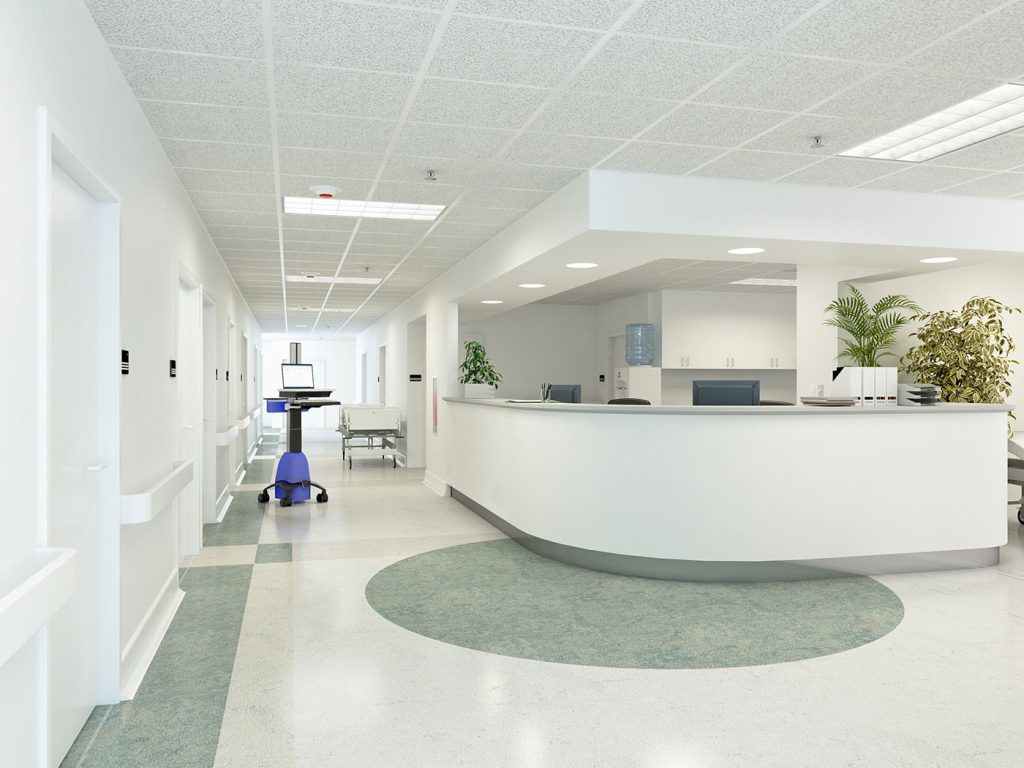
Epoxy Flooring Systems for Healthcare Environments
Epoxy flooring has become a leading choice for healthcare facilities throughout Toronto because it addresses many of the unique requirements these environments demand. The seamless, customizable nature of epoxy systems makes them particularly well-suited for medical settings.
The primary advantage of epoxy in healthcare facilities is the seamless, non-porous surface it creates. Unlike tile with grout lines or sheet flooring with seams, properly installed epoxy creates a continuous surface with no places for bacteria, mold, or contaminants to harbor. This characteristic directly supports infection control efforts that are central to healthcare operations.
Antimicrobial epoxy systems take this protection further by incorporating additives that actively inhibit microbial growth. These specialized formulations provide an additional layer of protection against bacteria and other pathogens, helping Toronto medical centres maintain the highest hygiene standards. The antimicrobial properties remain effective throughout the floor’s service life, providing ongoing protection.
Chemical resistance makes epoxy ideal for healthcare facilities that use aggressive disinfectants continuously. Quality epoxy systems withstand repeated exposure to harsh sanitizing chemicals without degrading, discoloring, or losing their protective properties. This resistance ensures the floor maintains both appearance and function despite the demanding cleaning protocols healthcare requires.
The ability to integrate cove bases with epoxy flooring provides another significant advantage. Cove bases eliminate the sharp 90-degree angle where floors meet walls, creating a smooth, curved transition instead. This design eliminates the corner where dirt and contaminants typically accumulate, allowing complete cleaning and sanitization. For healthcare facilities, integrated cove bases represent an important infection control feature.
Epoxy flooring also offers design flexibility that supports healthcare environments. Color coding can designate different areas or departments. Decorative options create calming, healing environments rather than sterile, institutional spaces. This flexibility allows Toronto medical centres to create floors that are both functional and supportive of patient wellbeing.
Polyurethane Flooring for Medical Centres
Polyurethane flooring systems offer healthcare facilities in Toronto distinct advantages that make them excellent choices for many medical applications. While sharing some characteristics with epoxy, polyurethane provides specific benefits that suit certain healthcare environments particularly well.
The superior flexibility of polyurethane makes it more comfortable underfoot than rigid epoxy systems. In healthcare settings where staff spend long shifts standing and walking, this comfort matters significantly. The slight give in polyurethane flooring reduces fatigue for nurses, technicians, and other healthcare workers who remain on their feet throughout demanding shifts.
This flexibility also provides better impact resistance and sound absorption. Dropped instruments, rolling equipment, and foot traffic generate less noise on polyurethane floors compared to harder surfaces. The quieter environment supports patient rest and recovery while reducing the overall stress level in busy medical centres throughout the GTA.
Polyurethane demonstrates exceptional resistance to the specific chemicals common in healthcare settings. The system particularly excels at resisting the organic acids, harsh disinfectants, and sanitizing agents used continuously in medical environments. This chemical resistance ensures long-term performance despite the aggressive cleaning protocols healthcare facilities require.
Temperature stability gives polyurethane an advantage in healthcare areas with thermal variation. Facilities with sterilization equipment, kitchen areas, or spaces experiencing temperature fluctuations benefit from polyurethane’s ability to accommodate thermal cycling without cracking or degrading. This stability ensures reliable performance throughout the facility.
The UV stability of polyurethane prevents yellowing and discoloration in healthcare facilities with significant natural light. Toronto medical centres with large windows, atriums, or skylights maintain consistent floor appearance over time with polyurethane systems. This appearance retention supports the professional, clean environment healthcare facilities must project.
Specialized Flooring Requirements by Healthcare Area
Different areas within healthcare facilities have distinct flooring requirements based on their specific functions. Understanding these varied needs helps Toronto medical centres select appropriate systems for each space.
Operating Rooms and Surgical Suites
Operating rooms demand the highest standards of any healthcare space. The flooring must provide complete seamless coverage, exceptional chemical resistance for surgical cleaning protocols, and often static-dissipative properties to prevent dangerous electrostatic discharge near sensitive equipment and in oxygen-rich environments.
Conductive or static-dissipative epoxy systems serve these critical environments. These specialized flooring solutions safely dissipate static electricity, protecting both patients and sensitive electronic equipment. The seamless installation with integrated cove bases ensures complete sterility and allows the rigorous cleaning that surgical environments require.
Patient Rooms and Recovery Areas
Patient rooms balance infection control with comfort and a healing atmosphere. The flooring must allow thorough cleaning between patients while providing a less institutional, more comfortable environment that supports recovery.
Polyurethane systems often excel in these spaces because they combine cleanability with comfort underfoot and sound absorption. The quieter, more comfortable environment supports patient rest. Decorative options create warmer, more welcoming spaces that feel less clinical while maintaining the cleanability healthcare requires.
Laboratories and Diagnostic Areas
Laboratories handle chemicals, biological samples, and sensitive equipment that demand specific flooring properties. Chemical resistance is paramount, as labs use and sometimes spill aggressive reagents and solvents. Some lab areas also require static control to protect sensitive instruments.
Chemical-resistant epoxy systems, sometimes with conductive properties, serve laboratory environments well. The seamless, non-porous surface contains spills and allows complete decontamination. The chemical resistance ensures the floor withstands the substances labs handle daily without degrading.
Corridors and High-Traffic Areas
Hospital corridors experience perhaps the most intense traffic of any healthcare space. Constant foot traffic combines with rolling beds, equipment carts, and wheelchairs to create demanding wear conditions. These areas need maximum durability and abrasion resistance.
High-build epoxy or polyurethane systems handle corridor demands effectively. The durable surface withstands constant traffic while maintaining appearance. Easy cleaning keeps these high-visibility areas looking professional despite heavy use throughout Toronto medical centres.
Pharmacies and Clean Rooms
Pharmacies and clean rooms require the highest cleanliness standards with complete contamination control. These environments demand seamless surfaces, often with static control properties, and the ability to maintain sterile conditions through rigorous cleaning.
Self-leveling epoxy creates the perfectly smooth, seamless surfaces these critical areas require. The flawless finish allows complete sanitization while preventing any contamination harboring. Specialized formulations meet the stringent requirements of pharmaceutical compounding and clean room operations.
Compliance and Standards for Healthcare Flooring
Healthcare facilities in Toronto must meet various standards and regulations that affect flooring selection. Understanding these requirements ensures flooring choices support compliance rather than creating problems.
Infection control standards established by health authorities guide flooring requirements in healthcare settings. Seamless, non-porous surfaces that prevent pathogen harboring align with these standards. The flooring must allow the cleaning and disinfection protocols that infection control requires. Epoxy and polyurethane systems with integrated cove bases support these critical standards.
Slip resistance standards address patient and staff safety. Healthcare flooring must provide adequate traction to prevent falls, particularly important given patient mobility challenges and frequent floor cleaning. Flooring systems can be formulated with appropriate slip resistance while maintaining the smooth rolling capability that equipment requires.
For areas with sensitive electronic equipment or explosion risks from oxygen and anesthetic gases, static control standards apply. Conductive and static-dissipative flooring systems meet these requirements, safely managing electrostatic discharge in operating rooms, laboratories, and other critical areas.
Accessibility requirements ensure healthcare facilities accommodate all patients including those with mobility devices. Flooring must provide smooth, even surfaces that allow wheelchair and walker use without creating barriers. Seamless epoxy and polyurethane systems naturally support accessibility requirements.
Indoor air quality considerations affect flooring selection in healthcare settings where patient health is paramount. Low-VOC flooring systems and proper installation that minimizes emissions support healthy indoor environments. Many modern epoxy and polyurethane systems offer low-VOC formulations appropriate for sensitive healthcare environments.
Maintenance Considerations for Healthcare Flooring
The maintenance requirements of healthcare flooring directly impact infection control, operational costs, and long-term performance. Understanding these considerations helps Toronto medical centres maintain effective, compliant floors.
Daily cleaning protocols in healthcare facilities are rigorous and frequent. Floors require regular disinfection using hospital-grade cleaning agents. Seamless epoxy and polyurethane surfaces support these protocols by allowing thorough cleaning without seams or grout lines that complicate sanitization. The non-porous surfaces prevent contaminant penetration while withstanding repeated chemical exposure.
The cleanability of seamless flooring systems provides significant advantages for healthcare maintenance. Without grout lines, seams, or porous areas, cleaning staff can sanitize floors completely and efficiently. This thorough cleaning capability directly supports infection control while reducing the labor required compared to flooring with seams or grout.
Long-term durability reduces maintenance disruption in healthcare settings where floor repairs can compromise operations. Quality epoxy and polyurethane systems provide years of service without requiring major maintenance. This longevity is particularly valuable in healthcare facilities where flooring replacement disrupts critical operations and requires careful coordination.
When maintenance or repairs become necessary, the ability to perform them with minimal disruption matters greatly. Seamless flooring systems can often be spot repaired when localized damage occurs. Topcoat renewal can refresh surfaces without complete replacement. These maintenance options allow Toronto medical centres to maintain floors without major operational disruption.
Frequently Asked Questions About Healthcare Flooring in Toronto
What is the best flooring for healthcare facilities in Toronto?
The best flooring for healthcare facilities depends on the specific area and its requirements, but seamless epoxy and polyurethane systems are generally considered optimal for most medical environments. These systems provide the seamless, non-porous surfaces essential for infection control, withstand the aggressive chemicals used in healthcare cleaning, and offer the durability medical facilities demand. For specialized areas like operating rooms, conductive or static-dissipative systems are necessary. Patient rooms may benefit from polyurethane’s comfort and sound absorption. The optimal choice involves matching flooring properties to each area’s specific function. Professional consultation helps Toronto medical centres select appropriate systems for their various spaces.
How do healthcare floors prevent the spread of infection?
Healthcare flooring prevents infection spread primarily through seamless, non-porous surfaces that eliminate places where pathogens harbor and multiply. Unlike tile with grout lines or sheet flooring with seams, seamless epoxy and polyurethane systems create continuous surfaces that can be completely cleaned and sanitized. Integrated cove bases eliminate the floor-wall junction where contaminants typically accumulate. Antimicrobial additives in some systems actively inhibit microbial growth. The chemical resistance allows aggressive disinfection protocols without degrading the floor. Together, these properties support the rigorous infection control that healthcare facilities throughout the GTA require to protect patients and staff.
Can healthcare flooring be installed without disrupting operations?
Healthcare flooring installation requires careful planning to minimize disruption to critical operations. Many installations occur in phases, allowing portions of facilities to remain operational while work proceeds in others. Fast-cure systems reduce downtime, allowing quicker return to service. Work often happens during lower-activity periods or in unoccupied areas being renovated. For occupied healthcare facilities, contractors coordinate closely with facility management to schedule work around operational needs, control dust and fumes, and maintain infection control during installation. While installation in active medical centres requires more planning than other environments, experienced contractors successfully complete healthcare flooring projects with minimal operational impact.
How long does healthcare flooring last in Toronto medical centres?
Quality epoxy and polyurethane flooring systems typically last 10 to 20 years in healthcare facilities with proper installation and maintenance. The actual lifespan depends on traffic levels, the specific system installed, and maintenance practices. High-traffic areas like corridors may require topcoat renewal sooner than lower-traffic spaces. The rigorous cleaning protocols in healthcare can affect longevity, making chemical-resistant systems important for maximizing service life. Professional installation with proper surface preparation is essential for achieving maximum durability. With appropriate system selection and maintenance, healthcare flooring provides many years of reliable service supporting the demanding requirements of Toronto medical centres.
Invest in Healthcare Flooring That Protects Patients and Supports Care
Healthcare facilities require flooring systems that meet demands few other environments encounter. The right flooring supports infection control, withstands rigorous cleaning, provides safety and comfort, and performs reliably year after year. The wrong choice compromises patient safety, complicates compliance, and disrupts critical operations. In healthcare settings, flooring is genuinely a patient care issue, not just a facility decision.
Selecting appropriate flooring for healthcare facilities requires understanding the unique requirements of medical environments and matching systems to the specific needs of different areas. From operating rooms requiring static control to patient rooms needing comfort and cleanability, each space demands careful consideration.
With over 30 years of experience serving Toronto and the GTA, Armour Guard specializes in flooring for healthcare facilities including hospitals, clinics, medical centres, and long-term care facilities. We understand the stringent requirements healthcare environments demand and provide seamless epoxy, polyurethane, and specialty flooring systems designed for medical applications. Our expertise includes antimicrobial systems, conductive flooring for sensitive areas, and chemical-resistant solutions that withstand healthcare cleaning protocols.
Contact Armour Guard to discuss your healthcare facility flooring project. We’ll assess your facility’s specific requirements, recommend appropriate systems for each area, and provide solutions that support infection control, patient safety, and operational efficiency. Invest in healthcare flooring that protects patients and supports the critical care your Toronto medical centre provides.
