

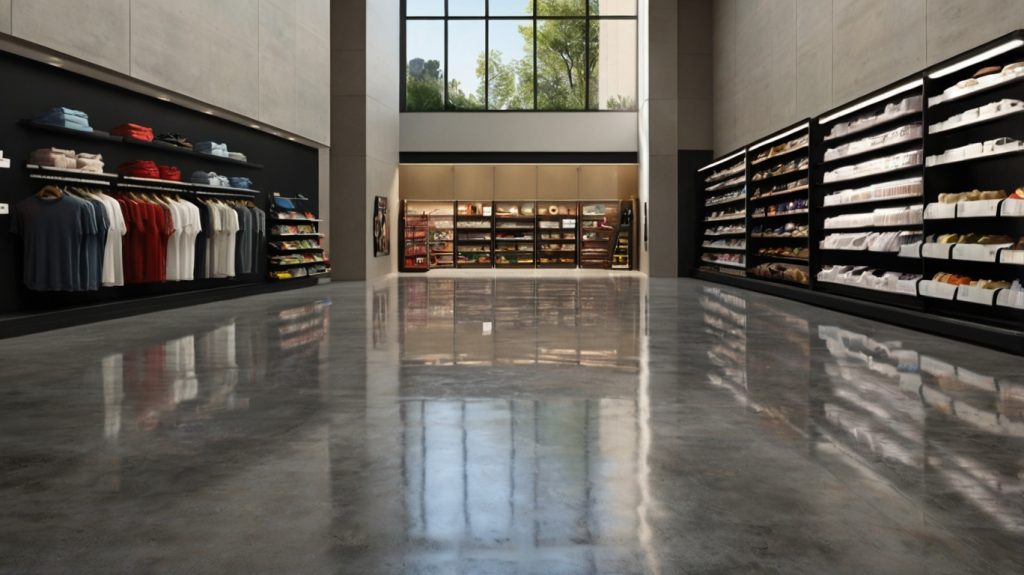
Toronto property owners planning flooring upgrades face a fundamental decision that affects everything from initial investment to long-term maintenance costs: should you install epoxy flooring or polish your existing concrete? Both options transform ordinary concrete into attractive, durable surfaces that serve residential, commercial, and industrial applications throughout the GTA. But they achieve dramatically different results through completely different approaches.
The challenge is that both systems get recommended for similar projects. Retail stores install both. Homeowners use both for basement renovations. Commercial properties choose both for office spaces and warehouses. This overlap creates confusion about which option actually makes sense for your specific situation.
The answer isn’t that one system is universally better than the other. It’s that each excels in different scenarios based on your priorities, budget, aesthetic preferences, and performance requirements. Understanding how these systems truly differ helps you invest in flooring that delivers exactly what you need rather than settling for something that almost works.
This guide provides an honest, comprehensive comparison between epoxy flooring and polished concrete, examining the factors that matter most to Toronto property owners making this important decision.
Initial Investment: Understanding the Cost Difference
The financial commitment for epoxy flooring versus polished concrete differs substantially, and understanding these costs helps frame realistic expectations.
Epoxy flooring systems in Toronto typically range from $6 to $12 per square foot for professional installation. Basic solid color systems fall on the lower end. Decorative flake systems, metallic epoxy, and heavy duty formulations reach the higher end of the range. The variation depends on system complexity, coating thickness, and decorative elements included.
Polished concrete generally costs $8 to $15 per square foot depending on the level of polish and concrete condition. Basic polishing to a satin finish costs less than high gloss finishes requiring extensive grinding and polishing steps. Concrete needing significant repair or having existing coatings that must be removed increases costs.
The initial investment difference isn’t dramatic for most projects. A 500 square foot residential garage might cost $3,000 to $4,500 for quality epoxy versus $4,000 to $6,000 for polished concrete. The gap narrows or widens based on specific project requirements and concrete conditions.
However, the initial cost tells only part of the financial story. The total cost of ownership over 15 to 20 years dramatically favors polished concrete in most applications. Epoxy systems eventually require topcoat renewal or complete recoating. Polished concrete maintains appearance indefinitely with basic cleaning and occasional repolishing to restore gloss if desired.
Toronto property owners should evaluate costs based on their ownership timeline. Short term owners or those with tight budgets may prefer epoxy’s lower entry cost. Long term property owners benefit from polished concrete’s superior lifetime value despite higher upfront investment.

Performance Characteristics: How They Actually Differ
Beyond costs, the performance differences between epoxy and polished concrete affect daily use and long term satisfaction.
Durability and Wear Resistance
Polished concrete is the actual concrete substrate refined and densified. This makes it exceptionally resistant to abrasion from foot traffic, equipment, and mechanical wear. The surface doesn’t wear away because there’s no coating to wear through. Instead, the polishing reveals progressively deeper layers of the same material.
Epoxy creates a protective coating over concrete. While durable, the coating can wear through in high traffic areas or under abrasive conditions. Quality epoxy systems last many years, but they do wear whereas polished concrete fundamentally doesn’t in the same way.
Toronto retail stores with heavy foot traffic, showrooms with constant customer flow, and commercial spaces with rolling equipment typically see polished concrete maintain appearance longer than comparable epoxy installations.
Moisture and Chemical Resistance
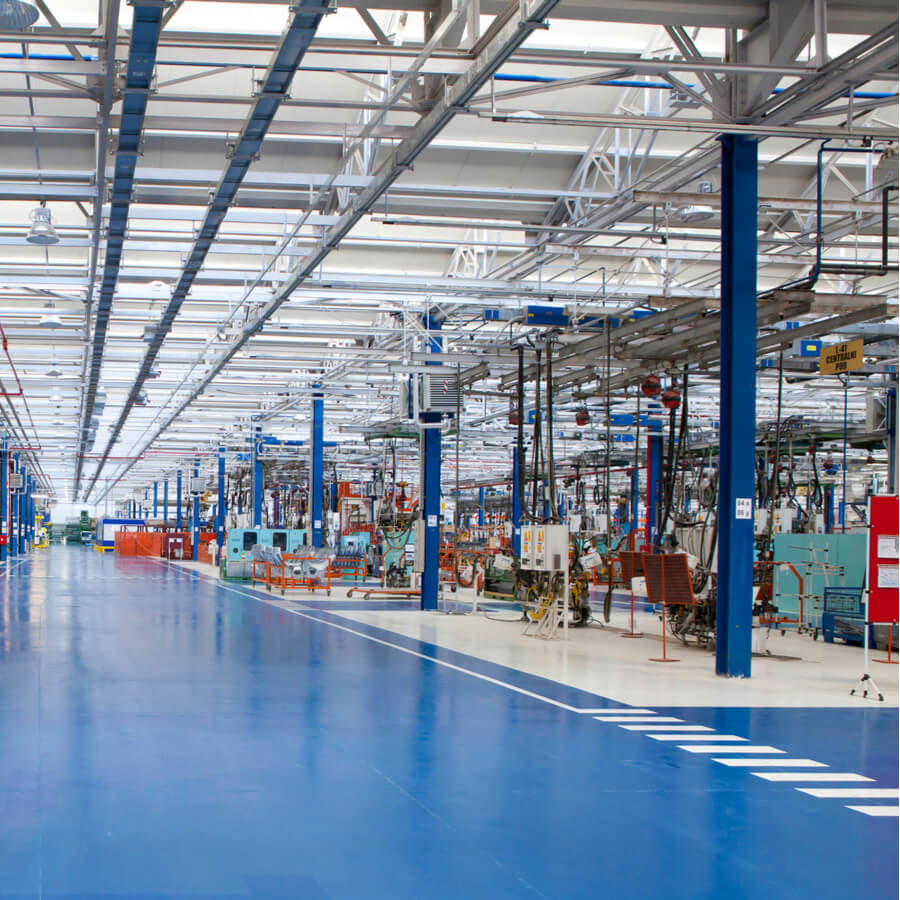
Epoxy flooring creates an impermeable barrier that completely seals concrete from moisture, oils, and many chemicals. The seamless coating prevents penetration, making epoxy ideal for areas with chemical exposure or moisture concerns. Toronto automotive facilities, commercial kitchens, and manufacturing operations benefit from epoxy’s chemical resistance.
Polished concrete is more porous than epoxy despite the densification process. While densifiers close much of the concrete’s porous structure, polished concrete doesn’t provide the complete moisture or chemical barrier that epoxy offers. Spills should be cleaned promptly rather than assuming complete protection.
For applications where chemical resistance is critical, epoxy typically proves superior. For general commercial and residential use where significant chemical exposure doesn’t occur, polished concrete’s resistance suffices.
Impact and Thermal Tolerance
Polished concrete handles thermal changes exceptionally well because it’s the substrate itself. Toronto’s temperature swings from winter to summer don’t affect polished concrete beyond normal concrete expansion and contraction. The surface doesn’t crack, peel, or separate regardless of temperature extremes.
Epoxy systems are formulated to accommodate thermal changes, and quality installations handle Toronto’s climate well. However, extreme temperature fluctuations or thermal shock can stress epoxy coatings. Facilities with thermal processes or Toronto properties without climate control may experience better long term performance with polished concrete.
Light Reflectivity
Both systems offer excellent light reflectivity, though they achieve it differently. Polished concrete creates deep, natural reflectivity through the refined concrete surface. The reflective quality comes from the polished aggregate and densified paste, creating authentic visual depth.
Epoxy provides surface gloss through the coating itself. The reflectivity is bright and uniform, particularly with clear topcoats over decorative base coats. The effect is more manufactured looking than polished concrete’s natural depth.
Toronto commercial properties seeking to maximize natural light benefit from either system. The choice depends on whether you prefer authentic, organic reflectivity from polished concrete or the bright, uniform reflection from epoxy.
Aesthetic Possibilities and Design Flexibility
The visual results from epoxy and polished concrete differ fundamentally, affecting which system suits specific design goals.
Polished Concrete Aesthetics
Polished concrete reveals the natural character of the concrete itself. Exposed aggregate creates visual interest and depth. Color variations from the cement paste add organic texture. Each polished floor has unique character determined by the concrete composition and aggregate type.
The aesthetic is inherently industrial, modern, and authentic. Toronto lofts, contemporary retail spaces, modern offices, and residential properties embracing minimalist or industrial design find polished concrete aligns perfectly with their vision. The floor feels genuine and honest rather than applied or manufactured.
Color options are limited to the natural concrete tones, though acid staining can add earth tone colors if desired. The look is sophisticated in its restraint, appealing to property owners who value natural materials and authentic finishes.
Epoxy Design Options
Epoxy offers virtually unlimited customization through colors, patterns, and decorative effects. Solid colors can match any specification. Decorative flakes add texture and visual interest in countless color combinations. Metallic epoxy creates dramatic, high end appearances with unique patterns.
This flexibility makes epoxy ideal for Toronto businesses wanting specific brand colors, retail spaces needing particular aesthetics, or homeowners seeking custom looks. The coating can be tailored to nearly any design vision rather than working within the constraints of natural concrete appearance.
The trade off is that epoxy looks like a coating rather than a natural material. For some applications this doesn’t matter or actually works better. For others, the manufactured appearance conflicts with design goals emphasizing authenticity and natural materials.
Maintenance Requirements Over Time
The long term maintenance difference between these systems significantly affects total cost of ownership and operational convenience.
Polished Concrete Maintenance
Polished concrete requires minimal ongoing maintenance. Regular dust mopping removes loose dirt. Periodic damp mopping with pH neutral cleaners handles accumulated soil. That’s essentially the complete maintenance program.
The floor never needs waxing, coating, or refinishing. It maintains appearance through basic cleaning. If the gloss dulls over many years of heavy traffic, repolishing restores the finish at modest cost. Most polished concrete installations in Toronto never require this maintenance.
For commercial property managers overseeing multiple locations, this minimal maintenance translates to substantial labor and cost savings. Janitorial staff spend less time on floor care, allowing focus on other cleaning tasks.
Epoxy Maintenance
Epoxy floors also feature easy maintenance compared to traditional flooring systems. Regular sweeping and mopping maintain appearance. Spills wipe up easily from the non porous surface. No waxing or special treatments are needed during the coating’s service life.
However, epoxy eventually requires topcoat renewal or recoating depending on traffic and wear. High traffic areas may need attention in 5 to 10 years. Lower traffic applications last longer. This maintenance represents additional cost and business disruption that polished concrete avoids.
The topcoat renewal process is less expensive than complete recoating but still requires professional service, floor access, and cure time before resuming normal use. For Toronto commercial operations, this scheduled maintenance must be planned around business operations.
Best Applications for Each System
Understanding which flooring type excels in specific applications helps match the right system to your Toronto property.
Where Polished Concrete Excels
Retail stores and showrooms benefit from polished concrete’s natural beauty, superior abrasion resistance, and minimal maintenance. The authentic aesthetic appeals to contemporary retail concepts while the durability handles heavy customer traffic.
Commercial office lobbies and common areas showcase polished concrete’s sophisticated appearance while benefiting from its light reflectivity and easy maintenance. The floor maintains professional appearance with minimal janitorial effort.
High traffic public spaces experience polished concrete’s superior wear resistance. The floor maintains appearance despite constant foot traffic that would wear down coatings over time.
Residential basements and modern homes embrace polished concrete for its contemporary aesthetic, durability, and long term value. Toronto homeowners planning to stay in their properties for many years benefit from the lifetime flooring solution.
Warehouses and distribution centers with heavy forklift traffic and demanding conditions often choose polished concrete for maximum abrasion resistance and minimal maintenance requirements.
Where Epoxy Excels
Commercial kitchens and food service areas require epoxy’s complete moisture and chemical resistance. The seamless, impermeable surface meets health department standards while withstanding aggressive cleaning protocols.
Automotive facilities handling oils, solvents, and chemicals benefit from epoxy’s chemical resistance and easy cleanup. The coating protects concrete from penetrating damage while providing professional appearance.
Manufacturing operations with specific chemical exposures choose epoxy systems formulated for their particular requirements. The customized chemical resistance protects substrates and maintains compliant environments.
Residential garages where homeowners want specific colors or decorative effects find epoxy provides design flexibility. The ability to match home aesthetics or create custom looks appeals to design conscious Toronto homeowners.
Spaces with damaged concrete that would cost excessively to repair for polishing benefit from epoxy mortar systems that can fill, level, and create new surfaces over compromised substrates.
Making the Right Decision for Your Toronto Property
Selecting between epoxy and polished concrete requires honest evaluation of your specific situation against several key factors.
Consider your timeline and ownership plans. Long term property owners benefit most from polished concrete’s lifetime value. Short term owners or those planning to sell soon may prefer epoxy’s lower initial cost.
Evaluate your aesthetic priorities. Natural, authentic, industrial aesthetics point toward polished concrete. Custom colors, specific brand matching, or decorative effects favor epoxy.
Assess your concrete condition. Sound concrete suitable for polishing makes that option viable. Heavily damaged or contaminated concrete may require the coverage and repair capabilities of epoxy systems.
Think about your specific use requirements. High traffic areas benefit from polished concrete’s abrasion resistance. Chemical exposure environments need epoxy’s protective barrier. General commercial or residential use works well with either system.
Calculate total cost of ownership based on your expected holding period. Include maintenance costs and eventual topcoat renewal or recoating in the epoxy calculation. Factor in polished concrete’s minimal ongoing costs.
Frequently Asked Questions About Epoxy vs Polished Concrete
Can you polish concrete that has epoxy coating on it?
No, existing epoxy must be completely removed before polishing can occur. The coating removal process adds cost and complexity to polishing projects but is necessary to access the concrete substrate. Grinding removes most epoxy coatings, though heavily built up systems may require additional removal methods. Toronto property owners with existing epoxy who want to switch to polished concrete should expect coating removal to add $2 to $4 per square foot to the project cost. The feasibility depends on the concrete condition beneath the coating. Professional evaluation determines whether the underlying concrete is suitable for polishing after removal.
Which option is better for Toronto basements?
Both work well in Toronto basements with proper installation. Polished concrete provides superior long term value, natural aesthetics, and minimal maintenance for homeowners planning to stay in their properties. Epoxy offers lower initial cost and unlimited color options for design flexibility. The critical factor is moisture. Toronto basements sometimes have moisture vapor transmission through concrete slabs. Both systems can handle this with proper preparation, though severe moisture may require mitigation regardless of which system you choose. Professional moisture testing during evaluation determines the appropriate approach for your specific basement conditions.
How long does each system actually last in Toronto?
Polished concrete lasts indefinitely with proper maintenance. The floor is the concrete substrate itself, so it doesn’t wear out in the traditional sense. Repolishing every 10 to 20 years can restore gloss if desired, but the floor remains functional and attractive throughout the building’s life. Epoxy systems typically last 10 to 15 years before requiring topcoat renewal or recoating, depending on traffic levels and maintenance. Heavy traffic commercial applications may need attention sooner. Well maintained epoxy in lower traffic environments can exceed 15 years. Both systems provide excellent service life when professionally installed, but polished concrete’s permanence gives it the edge in longevity.
Which is easier to repair if damage occurs?
Epoxy repairs are generally simpler for coating damage. Damaged areas can be recoated after proper preparation. However, if the concrete beneath is damaged, repairs become more complex. Polished concrete damage typically involves the concrete itself, such as cracks or chips. These require concrete repair followed by repolishing the affected area. Matching the existing finish requires skill but is achievable. For Toronto properties, both systems can be repaired, but the repair approaches differ. Minor damage in either system is manageable. Extensive damage may require larger scale intervention regardless of the flooring type.
Choose the Flooring System That Serves Your Needs Best
The decision between epoxy flooring and polished concrete isn’t about identifying a universal winner. It’s about understanding which system aligns with your specific priorities, budget, aesthetic vision, and performance requirements. Both create attractive, durable floors when properly installed in appropriate applications.
Your choice should reflect your actual needs rather than trends or assumptions about which system is better. The right flooring investment serves your property perfectly while the wrong choice means compromising on performance, aesthetics, or value.
With over 30 years of experience serving Toronto and the GTA, Armour Guard specializes in both epoxy flooring systems and polished concrete for residential, commercial, and industrial properties. We provide honest assessments of which system truly serves your situation best rather than pushing one solution regardless of fit.
Contact Armour Guard today to discuss your flooring project. We’ll evaluate your concrete, understand your goals and priorities, and recommend the optimal solution whether that’s polished concrete, epoxy flooring, or another approach entirely. Get professional flooring that delivers exactly what your Toronto property needs for years of satisfaction and performance.
