

Why Urethane Cement Handles Thermal Shock Better Than Epoxy

Urethane cement handles thermal shock better than epoxy for one fundamental reason: its coefficient of thermal expansion is close to that of concrete, while epoxy’s is significantly higher. When a floor is heated or cooled rapidly, urethane cement expands and contracts at roughly the same rate as the slab beneath it. Epoxy does not — […]
How Long Does an Epoxy Floor Take to Cure?

A standard epoxy floor typically accepts light foot traffic 12 to 24 hours after the final coat, normal foot traffic at 24 to 48 hours, and vehicle traffic at 3 to 7 days. Full chemical resistance usually develops at 5 to 7 days. Fast-cure polyaspartic and hybrid systems compress this dramatically — foot traffic within […]
Warehouse Safety Line Marking Requirements in Ontario
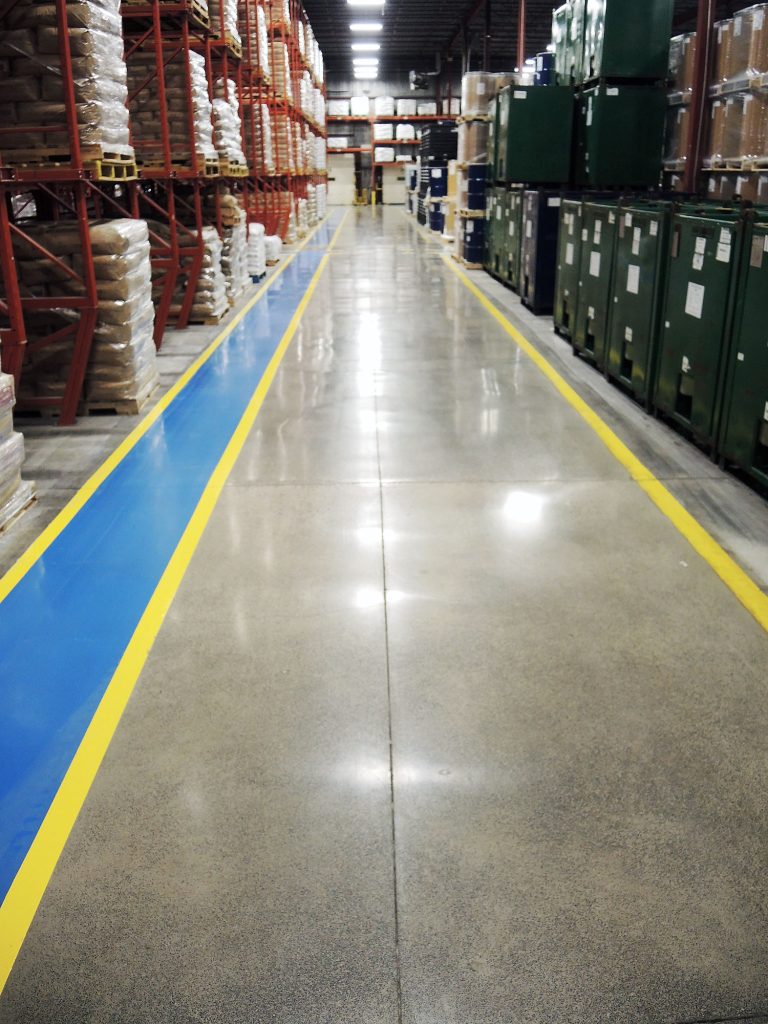
Ontario does not prescribe line colours or widths for warehouse floor markings. This surprises people who expect a regulation they can point to, but the Industrial Establishments Regulation — R.R.O. 1990, Reg. 851 under the Occupational Health and Safety Act — is largely performance-based. It requires that aisles and floors be kept free of obstructions […]
How Much Does Polished Concrete Cost for a Commercial Space in Toronto?

Commercial polished concrete in Toronto typically runs $5 to $15 per square foot, with most projects landing between $6 and $10. A basic grind-and-seal on a new slab in good condition sits at the bottom of that range. A multi-pass mechanical polish to a high gloss, with aggregate exposure and remediation of a damaged slab, […]
Best Flooring for Warehouses: Epoxy vs Polished Concrete
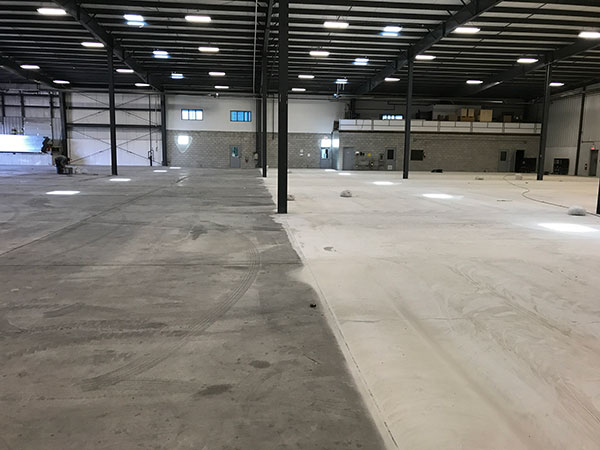
Warehouses across the GTA depend on their floors more than almost any other building system. Forklift traffic runs constantly, pallet racks impose heavy point loads, and thousands of square feet must stay smooth, safe, and functional through years of demanding use. When it comes time to install or upgrade warehouse flooring, two options consistently rise […]
What Flooring Is Best for Manufacturing Facilities?

Manufacturing facilities put their floors through conditions that would destroy ordinary flooring within months. Heavy machinery, forklift traffic, dropped tools, chemical spills, thermal shock, and constant vibration create a punishing environment that demands purpose-built flooring solutions. For Toronto manufacturers, the answer is clear: high-performance epoxy and specialty flooring systems designed specifically for industrial conditions consistently […]
What Is ESD Flooring and When Is It Required?

In many Toronto facilities, an invisible threat causes thousands of dollars in damage every year without anyone noticing until it’s too late. Static electricity, the same harmless spark you feel when touching a doorknob in winter, can destroy sensitive electronic components, ignite flammable atmospheres, and disrupt critical operations. For facilities handling electronics, chemicals, or sensitive […]
Best Flooring Systems for Healthcare Facilities in Toronto
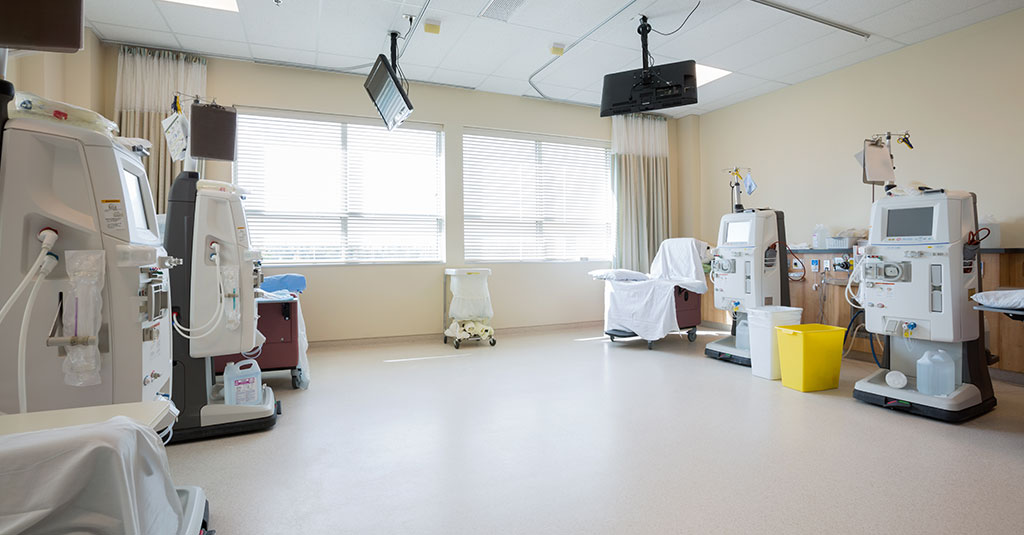
Healthcare facilities face flooring challenges that few other environments encounter. Hospitals, clinics, medical centres, and long-term care facilities throughout Toronto require flooring that simultaneously meets strict infection control standards, withstands constant traffic and rolling equipment, resists aggressive cleaning chemicals, and provides safe, comfortable surfaces for patients and staff. The flooring decision in healthcare settings isn’t […]
Epoxy Flooring vs Polished Concrete: Which Is Better for Your Space?
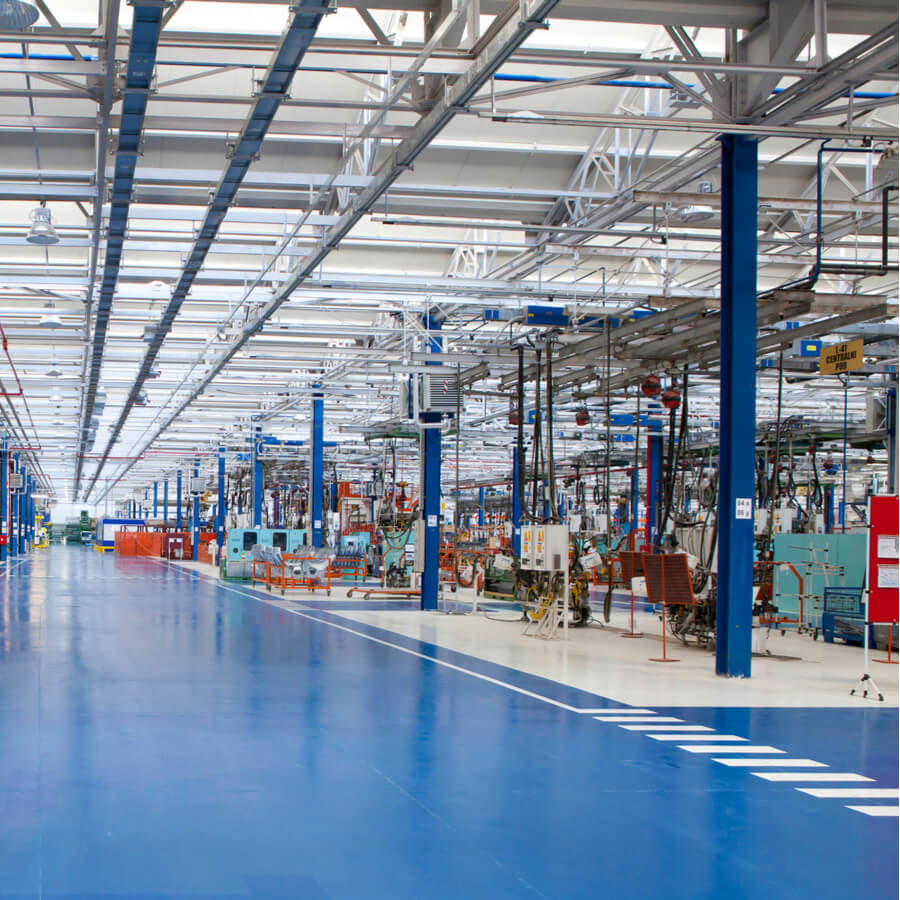
Toronto property owners planning flooring upgrades face a fundamental decision that affects everything from initial investment to long-term maintenance costs: should you install epoxy flooring or polish your existing concrete? Both options transform ordinary concrete into attractive, durable surfaces that serve residential, commercial, and industrial applications throughout the GTA. But they achieve dramatically different results […]
Why Surface Preparation Is the Most Important Step in Flooring Installation

Walk into any flooring installation that failed prematurely, and you’ll almost always trace the problem back to the same source: inadequate surface preparation. Peeling coatings, bubbling epoxy, failed adhesion, and disappointing performance rarely result from poor products or application techniques. They result from concrete that wasn’t properly prepared before installation began. Toronto property owners invest […]
